
The short answer
Keep the standard steady and adapt the conversation. Fairness depends on understandable expectations, not identical words for every athlete.
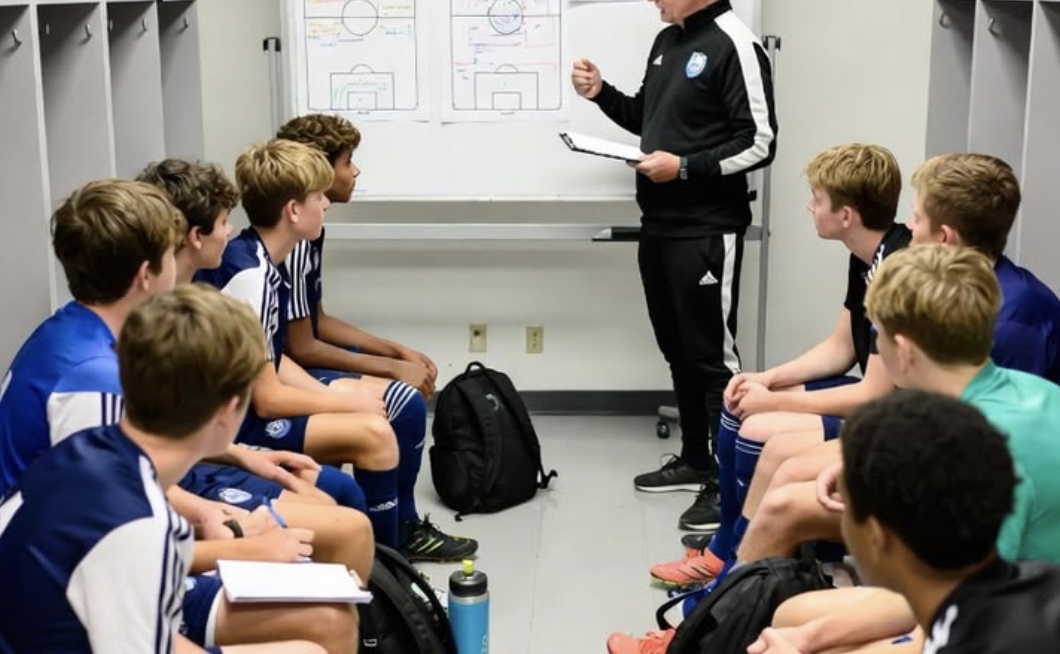
One athlete hears a short correction and gets straight back to work. Another needs to understand why the correction matters. A third nods, then makes the same mistake because they did not understand what you meant.
If you give all three the same message, you have been uniform. That does not necessarily mean you have been clear. Thoughtful coaching asks how to help different people work toward a shared expectation without quietly changing the expectation itself.
Separate the standard from how you explain it.
A standard might be communicating before missing a session or giving teammates respectful feedback. Delivery is how you help an athlete understand and meet it: a short reminder, a private discussion, a demonstration, or a written summary.
Changing the delivery is not the same as making an exception to the rule. If an exception is needed, be honest about that distinction and explain the principle as far as privacy allows. Confusion grows when “everyone is treated equally” is used to avoid explaining decisions people can plainly see are different.
Do not confuse a nod with understanding.
An athlete may agree because they understand, because they want the conversation to end, or because asking a question feels risky. “Got it?” often tells you less than “What will you do differently on the next rep?”
That question is not a trap. It is an opportunity to check your own explanation. If the athlete describes something different from what you intended, clarify the instruction rather than labeling them inattentive. A useful feedback conversation includes a chance to try again.
A few ways to start
- “Show me what you think I’m asking for.”
- “Which part should we walk through together?”
- “What is the one change you’ll try next?”
Avoid deciding who an athlete is after one response.
“They can’t take criticism” is a broad conclusion from what may have been one difficult interaction. Before treating it as a personality trait, look at the context: timing, tone, public attention, fatigue and the clarity of the instruction.
An athlete can also have a responsibility to receive feedback respectfully. Both sides can be true. You can say, “We need to speak respectfully to each other, and I want to understand which part of my feedback did not land.” That keeps the behavior visible without closing the conversation.
Make the shared principle visible to the team.
Teams notice differences. If one athlete gets a quiet discussion and another gets a brief reminder, the answer is not to publish everyone’s private circumstances. Explain the general principle: the expectations apply to everyone; the support needed to understand and meet them can vary.
You do not need to justify every individual decision in public. You do need a way for athletes to ask questions about standards without being treated as disloyal. A private question and a respectful explanation can prevent assumptions from filling the gap.
Relationships provide context, not a shortcut.
Coach–athlete relationship research considers how people connect, invest in the relationship, work together and understand each other. That gives a useful lens for thinking about feedback. It does not mean a coach should assign every athlete a communication type or use a personality label as a permanent instruction manual.
The suggestions here are practical conversation exercises, not a validated assessment or a promise of improved results. Ask the athlete what helps, notice whether your approach is understood, and stay open to revising it as the situation changes.
At the next practice, make one correction more usable.
Choose one standard that tends to cause confusion. State it as an observable action. Give an athlete a chance to describe or demonstrate what it means, then agree on the next attempt.
After the attempt, ask what helped and what is still unclear. That small loop—explain, check, try, revisit—can make feedback more concrete. You remain responsible for the standard. You are simply taking more care with how another person can act on it.
Sources + context
The articles draw on the sources below. Conversation prompts are suggested exercises, not clinically validated methods or promises of performance outcomes.
- 25 years of relationship research in sport: the coach-athlete relationship and the 3+1Cs Model (2025) ↗
A research overview of closeness, commitment, complementarity and co-orientation; not a test of the exercises suggested here.
C & C provides education, workshops and consulting—not therapy, diagnosis or medical treatment. Individual care belongs with appropriately licensed professionals.
A conversation worth having in your own context?
Tell Cristo what is happening. We can explore the right educational or consulting next step without asking you to have the solution first.
Talk With Cristo