The short answer
Being cleared to play and feeling ready to play are not the same thing. Name the fear honestly, build confidence in small steps with the medical team’s plan, and measure progress in more than one way.
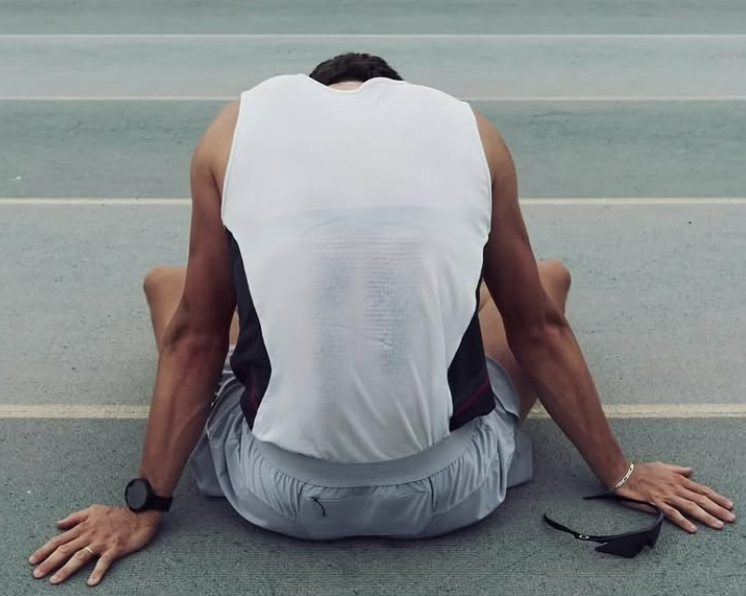
The day an athlete is cleared to return is supposed to feel like a finish line. Sometimes it does. Often it feels more complicated. The knee or shoulder may be ready, but the athlete hesitates on the first hard cut, pulls out of a tackle, or quietly wonders whether they will ever be the same player again.
This is a common experience, not a story about a specific C & C client. Medical decisions — when to train, what to load and when to return — belong with the athlete’s physician, physical therapist or athletic trainer. This article focuses on the part around those decisions: the confidence and conversations that help an athlete come back as themselves.
Cleared is not the same as ready.
Research on returning to sport after injury has found that psychological factors matter alongside physical recovery. A 2013 systematic review in the British Journal of Sports Medicine found that factors such as fear of reinjury, confidence and motivation were associated with whether athletes returned to their previous level of sport.
The 2016 international consensus statement on return to sport describes return as a continuum — returning to participation, returning to sport, then returning to performance — rather than a single moment. That framing can be a relief: hesitation after clearance is not failure. It is part of a process.
Make it safe to name the fear.
Many athletes hide their worry because they think it makes them look weak or ungrateful for all the rehab. When fear goes unspoken, it often shows up in their movement instead. A simple, nonjudgmental question can open the door.
If your athlete admits they are scared, do not rush to reassure them that everything is fine. Acknowledge it first. Then ask what specifically worries them — a certain movement, contact, or letting the team down. A specific fear is easier to work with than a general one.
A few ways to start
- “What part of coming back feels hardest right now?”
- “Is there a movement or situation you find yourself avoiding?”
- “What would help you trust your body a little more this week?”
Build confidence in small, visible steps.
Confidence tends to grow from experience, not pep talks. Within the plan the medical team sets, athletes often benefit from progressing through situations that feel gradually more like the real game, and from noticing each step they complete.
Coaches can help by talking about the progression openly rather than treating the athlete as either “injured” or “back.” Parents can help by celebrating the small wins — the first full practice, the first sprint without thinking about it — not only the return to the starting lineup.
Remember the person during the time away.
Injury can take away more than playing time. It can remove a daily routine, a role on the team and a large part of how an athlete sees themselves. Staying connected — attending practice, keeping a role, being included in team moments — can soften that loss.
If low mood, anxiety or withdrawal persist, involve a licensed mental-health professional or the athlete’s doctor. C & C offers education and consulting, not clinical care, and we will say so when another kind of support fits better.
Measure progress in more than one way.
It is tempting to judge a comeback only by minutes and statistics. Add other markers: how the athlete feels before practice, how often they think about the injury, whether they are enjoying the sport again. Those can recover on a different timeline from performance.
Try this: once a week, ask your athlete to rate their confidence from one to ten and name one thing that moved it up or down. Over time, that short check-in gives you both a clearer picture than a single game ever could.
Sources + context
The articles draw on the sources below. Conversation prompts are suggested exercises, not clinically validated methods or promises of performance outcomes.
- 2016 Consensus statement on return to sport (British Journal of Sports Medicine) ↗
Expert consensus describing return to sport as a continuum. It informs medical decision-making; it does not test the conversation prompts suggested here.
- A systematic review of the psychological factors associated with returning to sport following injury (2013) ↗
Review of associations between psychological factors and return to sport. Associations do not prove cause.
C & C provides education, workshops and consulting—not therapy, diagnosis or medical treatment. Individual care belongs with appropriately licensed professionals.
A conversation worth having in your own context?
Tell Cristo what is happening. We can explore the right educational or consulting next step without asking you to have the solution first.
Talk With Cristo